
DISC SHAPE & FLIGHT · 4 min read
Flat vs. Domey Discs: How Disc Shape Affects Flight
Two copies of the same mold can have different profiles. Learn what dome and flatness may change—and why the thrower still matters more than a simple rule.
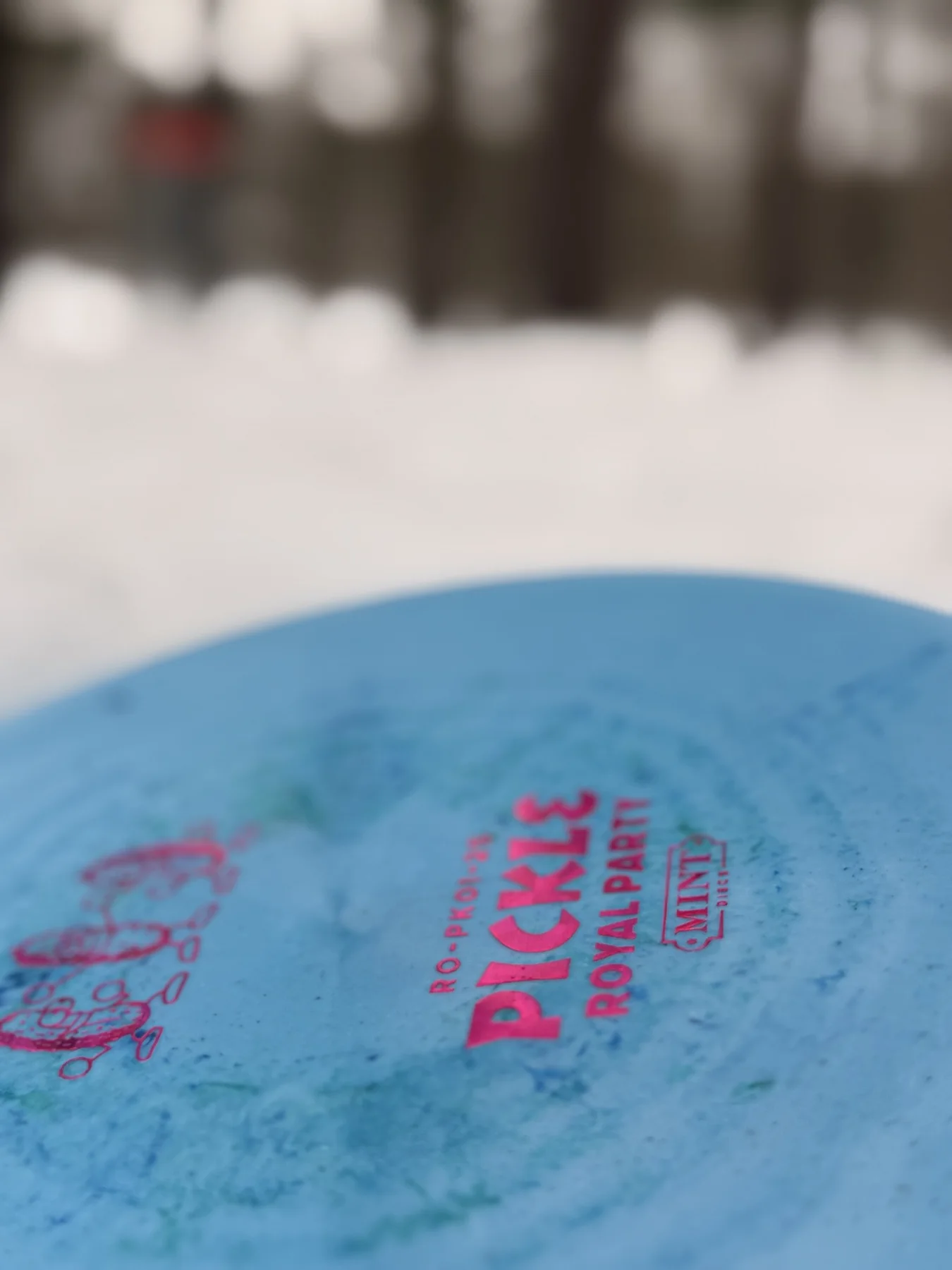
What players mean by flat and domey
A flat disc has a flight plate that stays relatively low across the top. A domey disc rises more noticeably from the rim toward the center.
Some players also describe a shoulder—the way the disc rises immediately inside the rim—because two discs can have similar center height but different shapes near the edge.
Manufacturing variation, cooling, plastic blend and run can produce different profiles within one mold.
That is why a stock photograph cannot guarantee the hand feel of the exact copy. A side profile or careful description is more useful when dome matters to the buyer.
Do not press or bend a disc to force a profile change. Compare it naturally on a level surface and use the shape as one observation alongside weight, stiffness and parting-line height.
| Profile | What players often notice | Where it may help |
|---|---|---|
| Flatter | Lower hand feel and sometimes a cleaner forehand release | Low ceilings, touch forehands and players who dislike a tall flight plate |
| Moderate dome | Balanced grip with potential for additional carry | General-purpose backhands and workable fairway shots |
| More dome | A fuller hand feel and sometimes more glide | Open carries where height and forward movement are available |
| Puddle top | Center sits below the shoulder on some approach discs | Specialized feel; flight varies by mold and plastic |
Why dome alone cannot predict stability
Players often repeat that dome always means glide or that flat always means overstable. Those shortcuts can fail. The wing shape, parting-line height, rim configuration, plastic stiffness and overall design still influence the flight.
A flat copy of one mold should not be compared with a domey copy of a completely different mold as if dome were the only variable.
The better comparison is two copies of the same mold, plastic family and similar weight. Throw both on the same release.
Note how quickly each turns, how long it carries and how sharply it finishes. Actual flight wins when the visual prediction and field result disagree.
Hand feel also matters. A disc that looks ideal but catches the fingers or feels uncomfortable under pressure is unlikely to create the clean release needed to show its theoretical advantage.
READ THE PROFILE

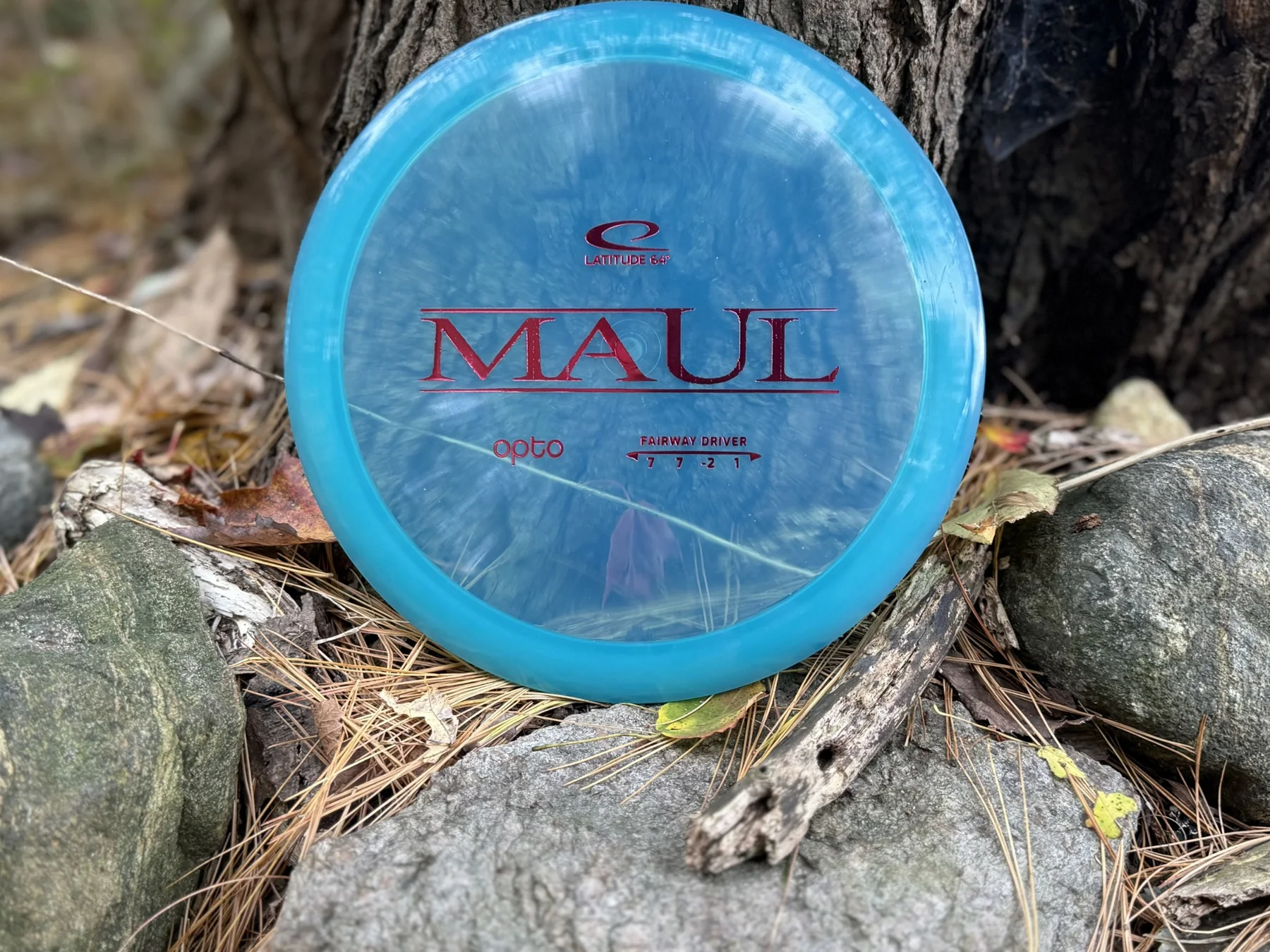
Use a simple in-person profile test
Place the disc on a flat table and look across the rim at eye level. Compare the center height and the shoulder just inside the rim.
Then hold the disc in your normal power grip and forehand grip. The goal is not to assign a perfect dome score; it is to decide whether the exact copy feels natural.
When shopping online, use exact-disc photos and ask for clarification if the profile is central to your decision. BlueJayDG photographs individual discs because color, stamp, wear and run variation belong to the copy you will actually receive.
Compare exact photos, price, condition and flight numbers in the live inventory—or join the Flight List for new drops and field notes.