
SMARTER ONLINE SHOPPING · 7 min read
The Exact Disc Pictured: Why Stock Photos Are Not Enough
Color, stamp, dome, weight and wear can change from one copy to the next. Buying the exact disc shown gives the shopper information a stock image cannot provide.
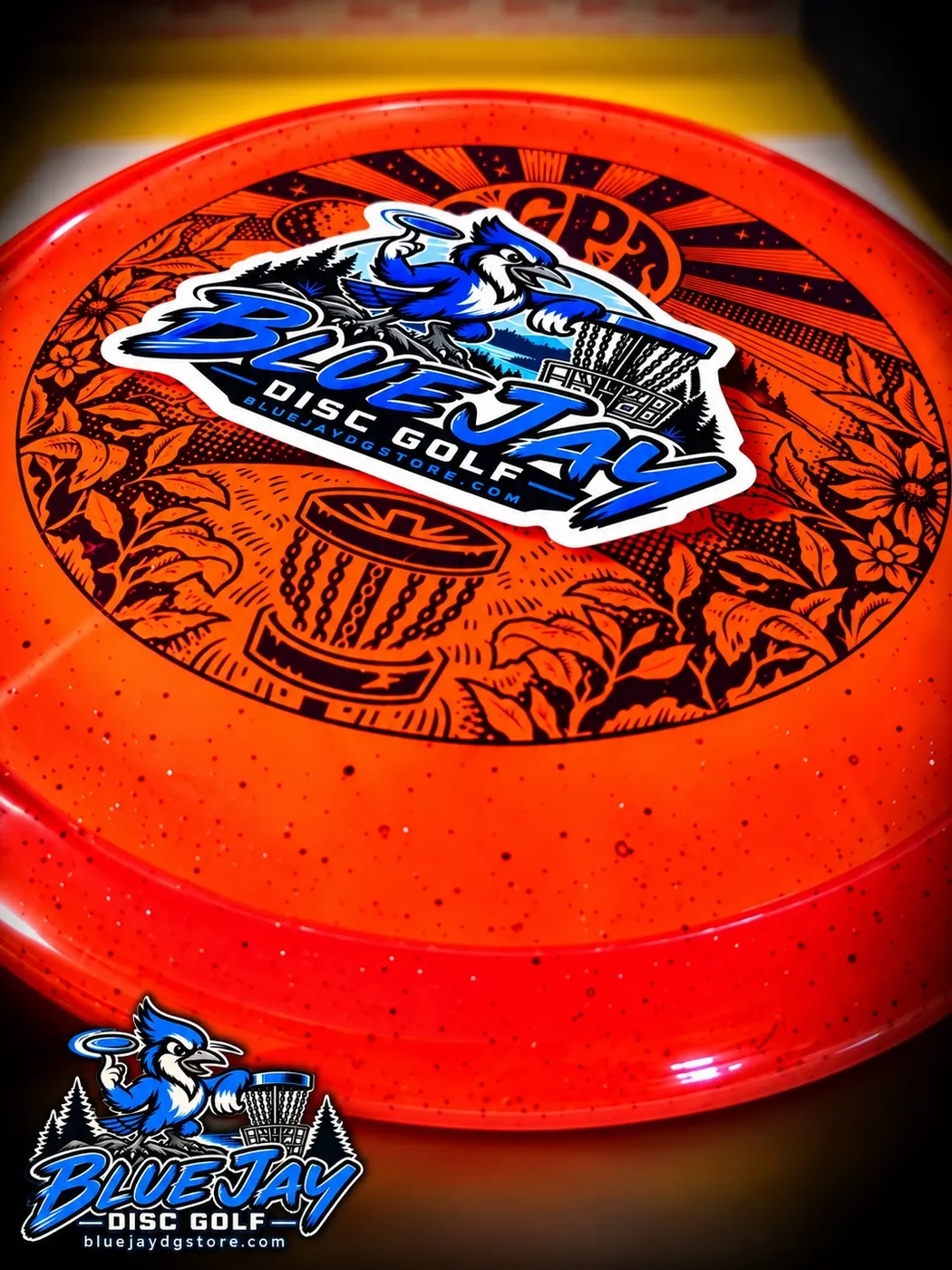
The mold name does not tell the whole story
A stock photo is useful for identifying a product line, but it cannot show the exact color, stamp placement, swirl, dye pattern or wear of the disc that arrives. That gap matters most with used discs, special stamps and plastics that vary from run to run.
Even new discs can look different. One may be flat, another slightly domed. A translucent blend may reveal the rim differently than an opaque one. Foils and bursts can vary dramatically. The shopper should not have to treat those details as a surprise.
An exact photograph also creates accountability. The condition description can be compared with the visible item, and the buyer can save the listing image as a record of what was purchased.
What a useful photograph should reveal
The full face of the disc should be visible without an extreme filter. The stamp and major marks should be readable.
The edge should not be cropped so tightly that rim wear disappears. When condition requires it, additional angles should show the underside, profile or damaged area.
Lighting should make the color understandable rather than dramatic at the expense of accuracy. Every camera and screen renders color differently, but clear neutral lighting reduces the gap. A seller should describe uncertainty when a shade is difficult to name.
The photograph is not a laboratory measurement. It cannot guarantee dome, stiffness or flight. It can, however, eliminate the biggest online-shopping problem: receiving a different-looking disc than the one that convinced you to buy.
EXACT-DISC EXAMPLES
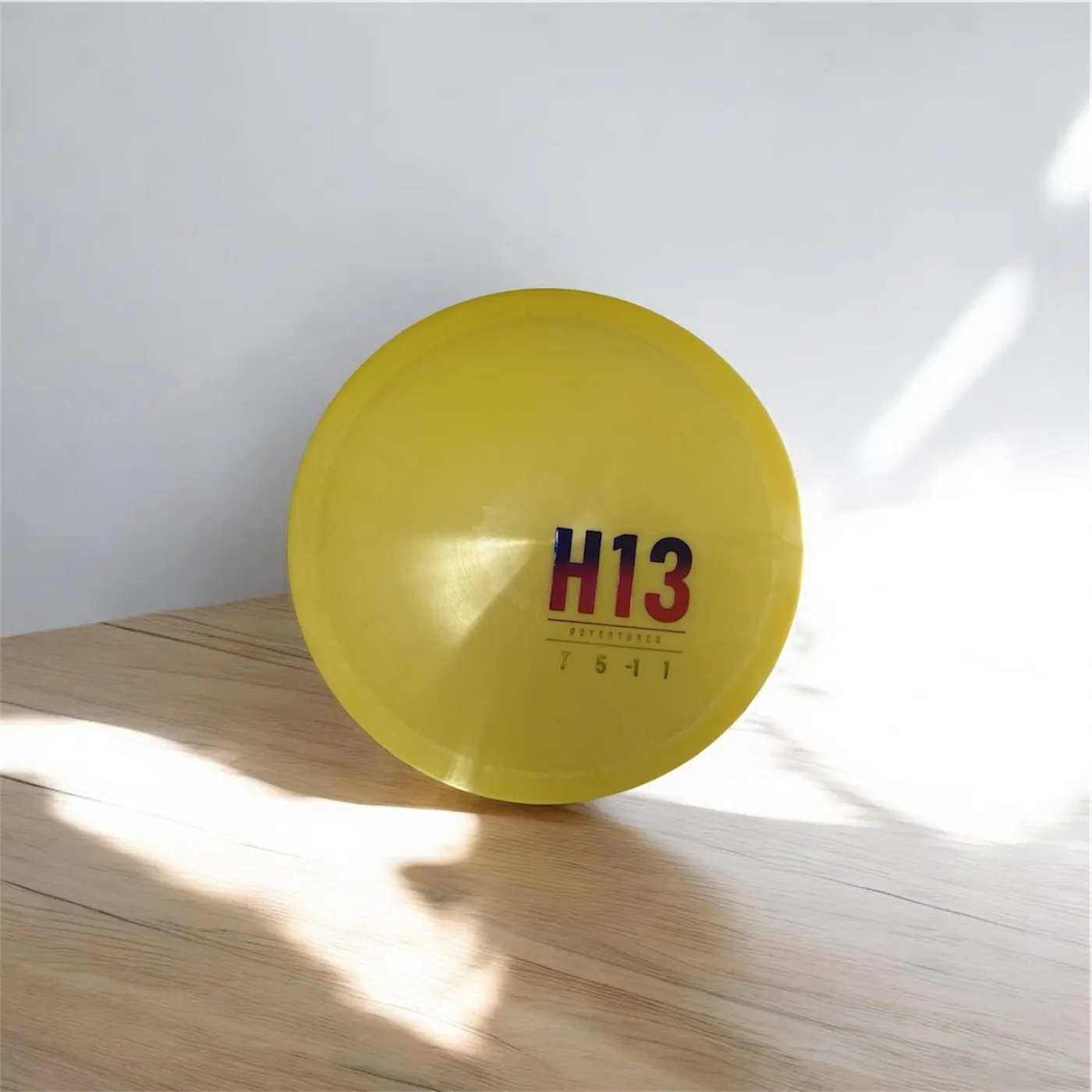
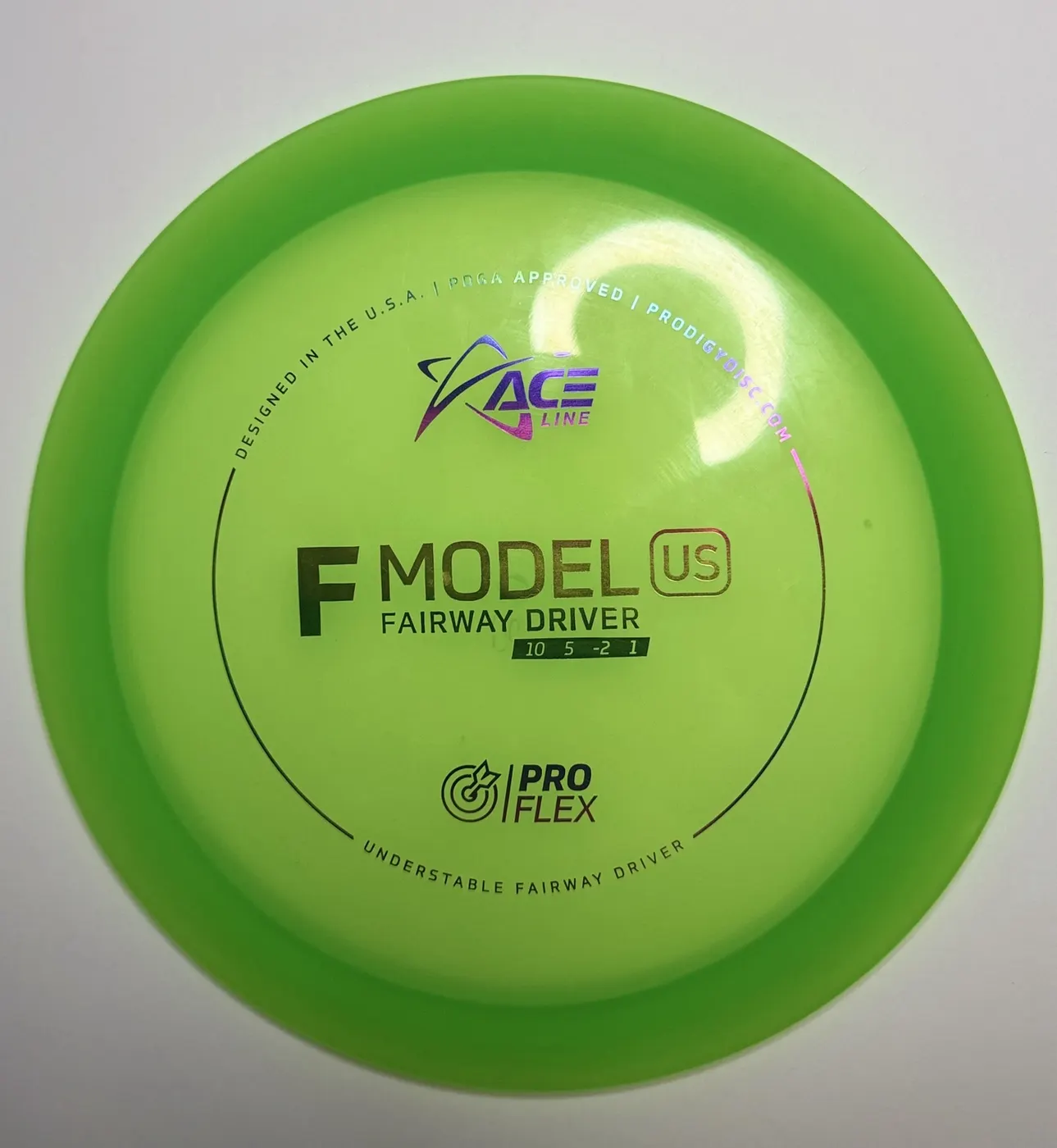
Why BlueJayDG treats every disc as its own product
The BlueJayDG rack is not a warehouse grid built around one reusable image. New, used, rare and unusual discs are photographed and listed individually because the individual copy is what the buyer receives.
That approach takes longer, but it supports honest comparison. Shoppers can open two copies of the same mold and decide which color, weight, condition and price fits them.
The catalog becomes more useful when the details are not hidden behind a generic product page.
Use the exact image alongside flight numbers and condition—not instead of them. The strongest purchase combines visual evidence with specifications and a clear job in the bag.
Compare exact photos, price, condition and flight numbers in the live inventory—or join the Flight List for new drops and field notes.