
DISC CARE & CONDITION · 3 min read
When Should You Replace a Disc—and When Should You Keep It?
Seasoned does not mean ruined. Learn the difference between useful wear, a changed flight and damage that makes an important disc unreliable.
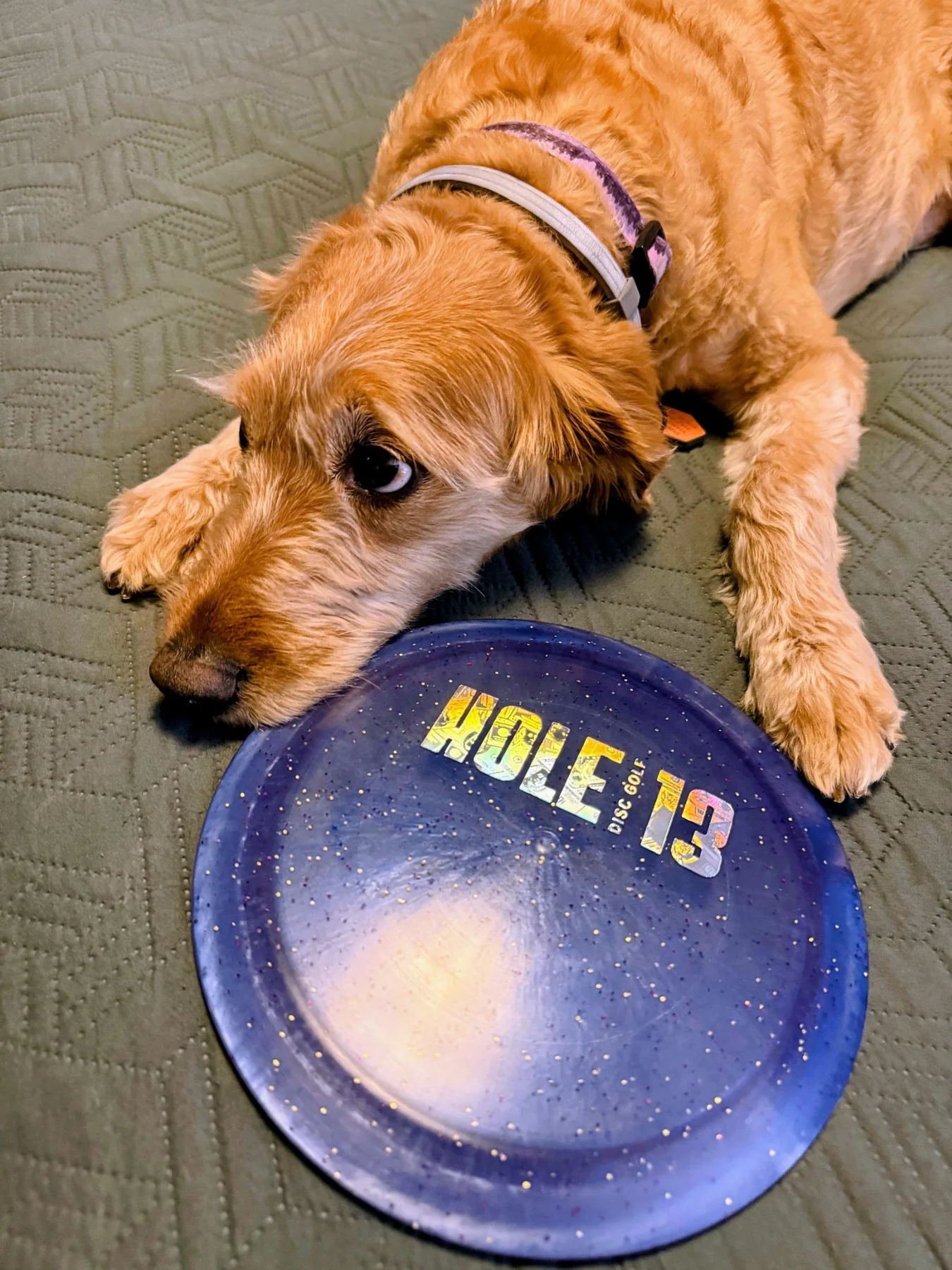
Useful wear creates a new job
A disc does not need to look new to play good golf. Surface scratches, stamp wear and ordinary scuffs are often cosmetic. More importantly, a seasoned disc may fly straighter, turn more easily or land with less fade than a new copy.
Keep the disc when the changed flight is repeatable. A former stable driver that now hyzer-flips can become more valuable, not less. Rename its role and compare it with the other discs in the bag so two molds are not accidentally covering the same shot.
Confidence is evidence too. If the hand feel remains comfortable and you know exactly how the disc reacts, the worn copy may deserve its slot even when a fresh version looks better.
| What you find | Recommended action | Reason |
|---|---|---|
| Surface scuffs or faded stamp | Keep and monitor | Usually cosmetic |
| More turn but repeatable flight | Assign a new job | Useful seasoning |
| Sharp rim burr | Smooth only if safely allowed, then retest | Can affect comfort and release |
| Deep crack, split or severe warp | Retire from play | Structural damage and unreliable flight |
| Unpredictable result after clean releases | Replace for scoring shots | Trust has been lost |
Separate sentimental value from competitive responsibility
A disc can matter because it recorded an ace, traveled to a favorite course or stayed in the bag through years of rounds. Retiring it does not erase that history. Display it, keep it for casual field work or store it with a note about why it mattered.
For tournament or scoring rounds, the standard is different. A disc responsible for the safe hyzer, straight tunnel or wind finish needs to create that result without surprise.
When uncertainty becomes the first thought on the tee, begin testing a replacement.
Introduce the new copy before the old one fails completely. Throw them together in the field, then use the replacement on low-risk course shots. This creates a transition instead of an emergency.
CONDITION WITH CONTEXT
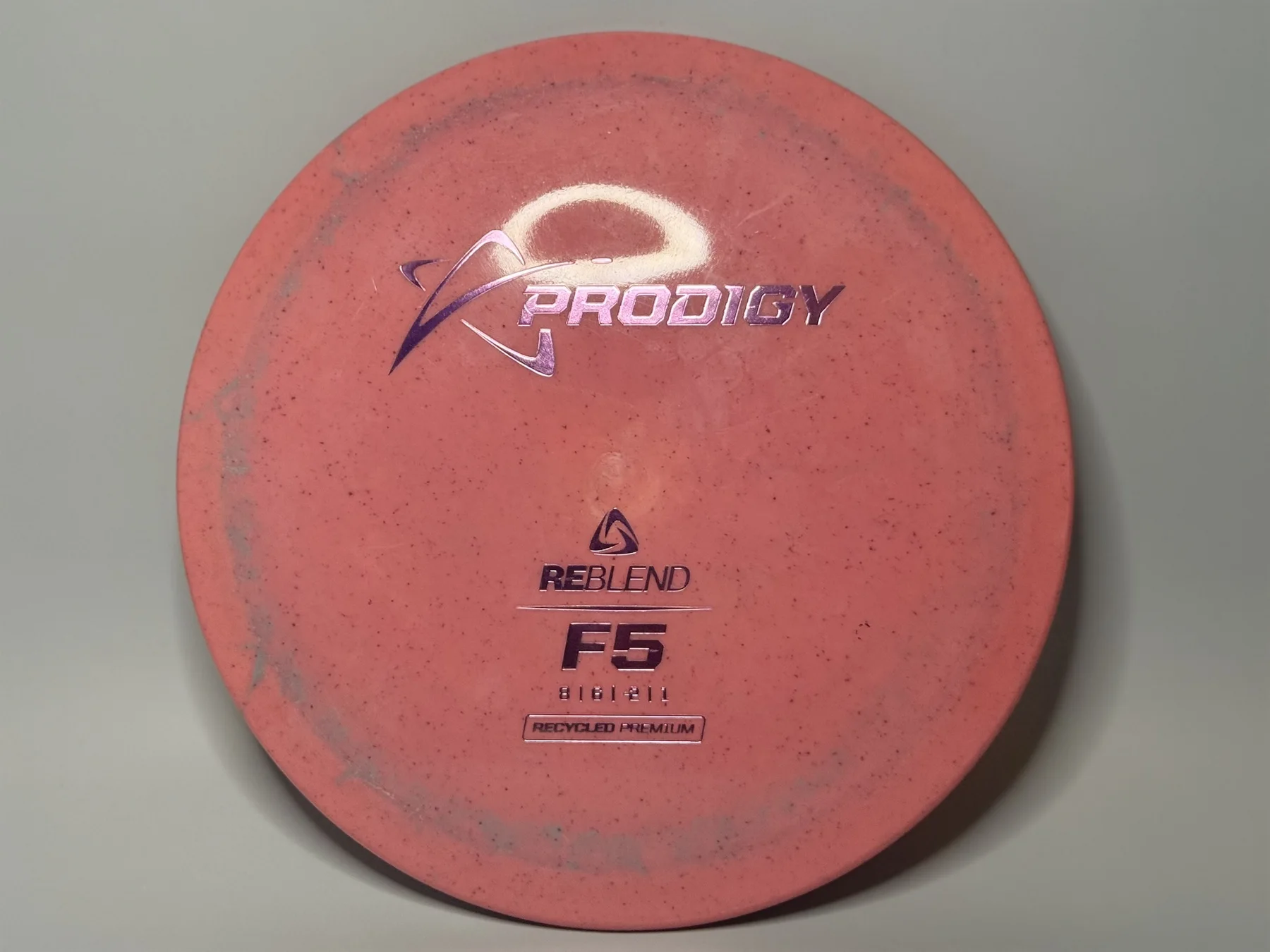
Create a simple monthly inspection habit
Wipe the disc clean, inspect the full rim and look across the flight plate for warping. Run a finger around the edge and check for a sharp area before it affects the release. Then compare the disc with a backup in an open field.
Record only what matters: current job, typical release and new behavior. That short note helps you recognize gradual change and shop for the correct replacement instead of buying only by mold name.
Compare exact photos, price, condition and flight numbers in the live inventory—or join the Flight List for new drops and field notes.