
DISC WEAR & FLIGHT · 4 min read
How Disc Wear Changes Flight: New, Seasoned and Beat-In Discs
Tree hits and ordinary ground contact do more than change appearance. Learn how wear can add turn, reduce fade and turn one trusted mold into several useful flights.
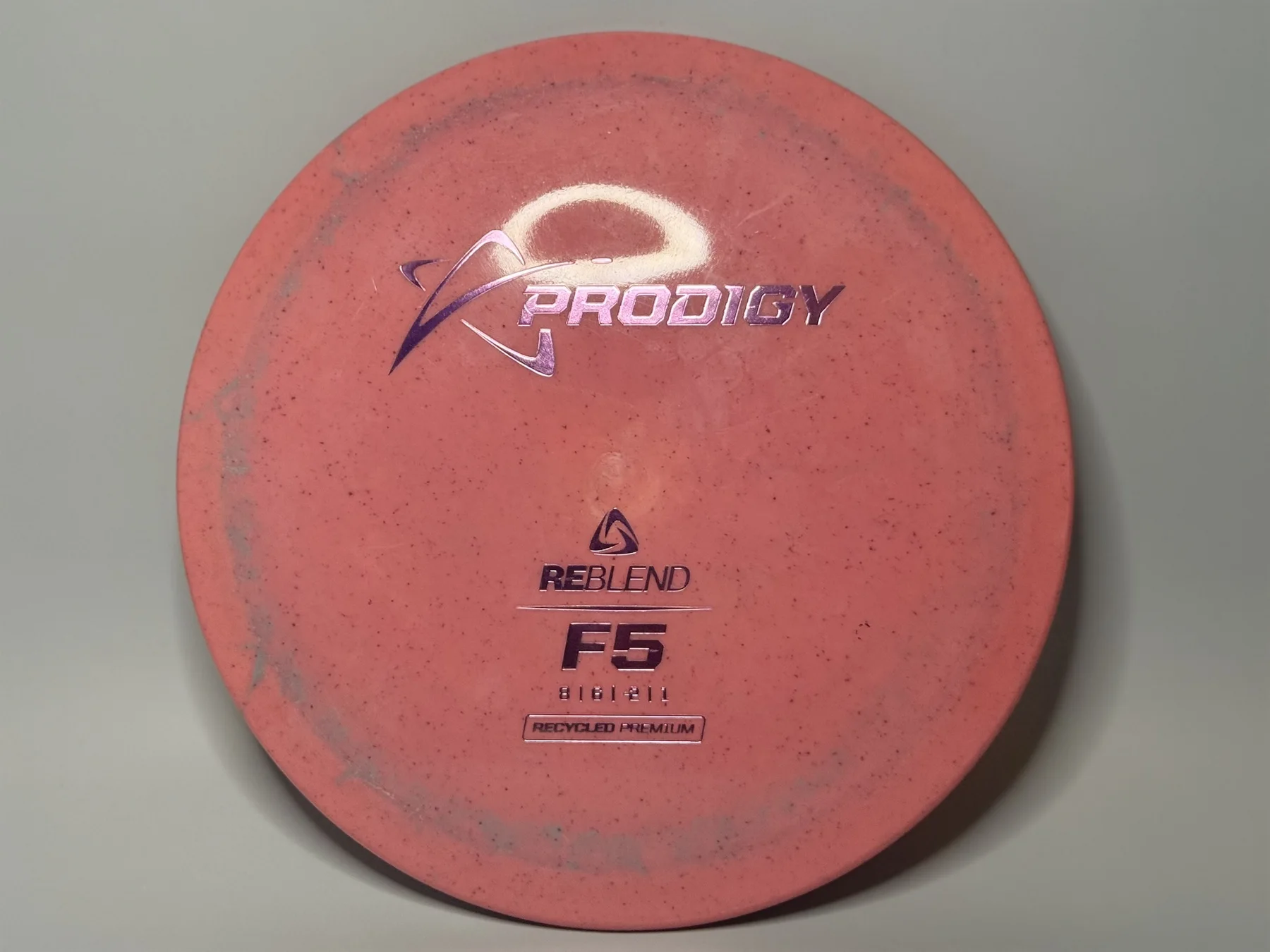
Wear usually changes high-speed turn before it erases the finish
A new disc begins with a particular rim shape, surface and stiffness, but every collision slowly changes that starting point. Tree hits, rocks and hard landings can roughen or deform the edge.
For many discs, the practical result is that the disc begins turning more easily and holding the turn longer before fading.
That does not mean every scratch creates an immediate flight change. Premium plastics often preserve their original stability for a long time, while baseline plastics can season quickly.
The mold, plastic, weight, run and force of the impact all matter. Judge the disc from repeated throws instead of predicting its flight from appearance alone.
For a right-handed backhand thrower, a seasoned stable disc may begin drifting farther right before finishing left. A heavily beat-in copy may become a hyzer-flip or turnover disc. The same progression is mirrored for a left-handed backhand thrower.
| Condition | Likely flight change | Useful job |
|---|---|---|
| Fresh | More resistance to turn and stronger finish | Wind, dependable hyzer and predictable fade |
| Seasoned | Straighter middle with a softer finish | Controlled drives and placement shots |
| Beat-in | Easier turn and longer drift | Hyzer-flips, turnovers and lower-power distance |
| Damaged | Unpredictable wobble or inconsistent release | Inspect before continuing to throw |
Build a cycle instead of replacing a trusted mold
Disc cycling means carrying multiple copies of one mold at different stages of wear. A fresh copy supplies the reliable finish, a seasoned copy flies straighter and a beat-in copy covers the turnover. The hand feel stays familiar while the flight options expand.
Cycling works best when you already trust the mold. Write a small mark on each copy, photograph it or keep a short bag note so you can track which one is fresh, straight or turning.
Field-test them on the same release rather than relying on memory from different courses and weather.
Do not force the system. If a worn disc becomes unpredictable or the hand feel no longer inspires confidence, another mold may solve the shot more cleanly. Familiarity is valuable only while the result remains repeatable.
THE INDIVIDUAL DISC MATTERS
Retest after a major hit
After a hard tree hit, inspect the rim for a sharp burr, crack, deep gouge or visible warp. Then use a safe open area to compare the disc with a known copy.
Throw it flat, on hyzer and at reduced power. One unusual throw is not enough; look for the same behavior across several clean releases.
If the disc now fills a new slot, rename the job in your mind and keep using it. If it flips without warning or no longer leaves the hand cleanly, take it out of competitive play.
A favorite disc can remain part of the collection without remaining responsible for an important scoring shot.
Compare exact photos, price, condition and flight numbers in the live inventory—or join the Flight List for new drops and field notes.