
BEGINNER SERIES · 5 min read
When Is a Beginner Ready for a Fairway Driver?
A fairway driver can add useful distance, but only after it creates a different shot from the putter and midrange already in the bag.
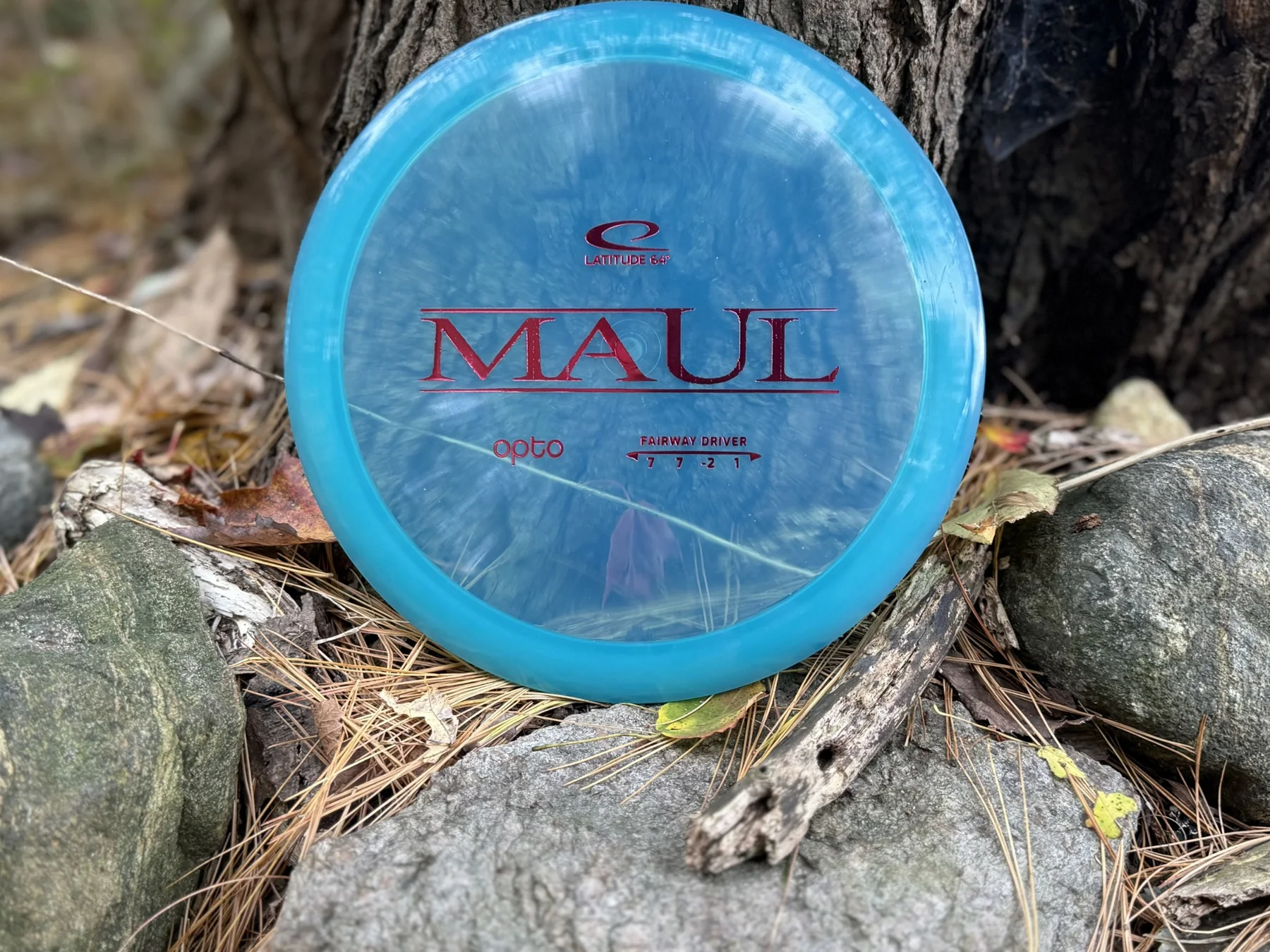
Look for the flight, not a distance milestone
There is no universal number that unlocks a driver. A useful sign is that a neutral midrange leaves the hand flat, travels on line and finishes predictably. When a speed-7 or speed-8 fairway carries farther on the same controlled release, it has earned a job.
If every fairway immediately fades left for a right-handed backhand, keep working with slower discs and check nose angle. The problem may be launch rather than a need for a more overstable driver.
Choose workable specifications
Start near speed 6 to 8 with moderate turn and gentle fade. Lighter weights can be easier to accelerate, while very understable molds may become difficult in wind.
The correct choice is stable enough to finish but workable enough to show a straight phase in the middle.
Use the exact disc's weight, plastic and condition. A seasoned pre-owned fairway may fly straighter than a new premium copy of the same mold.
Run a three-disc test
Throw a putter, midrange and fairway at the same wide target with the same perceived effort. Record usable distance—the distance that still leaves a clear next shot—not the longest skip. Repeat in calm conditions on two days.
Keep the fairway if it adds a reliable shape or meaningful carry. If it only adds sideways finish, it can wait. A small bag with clear jobs is progress, not a limitation.
Compare exact photos, price, condition and flight numbers in the live inventory—or join the Flight List for new drops and field notes.