
DISC FLIGHT DYNAMICS · 2 min read
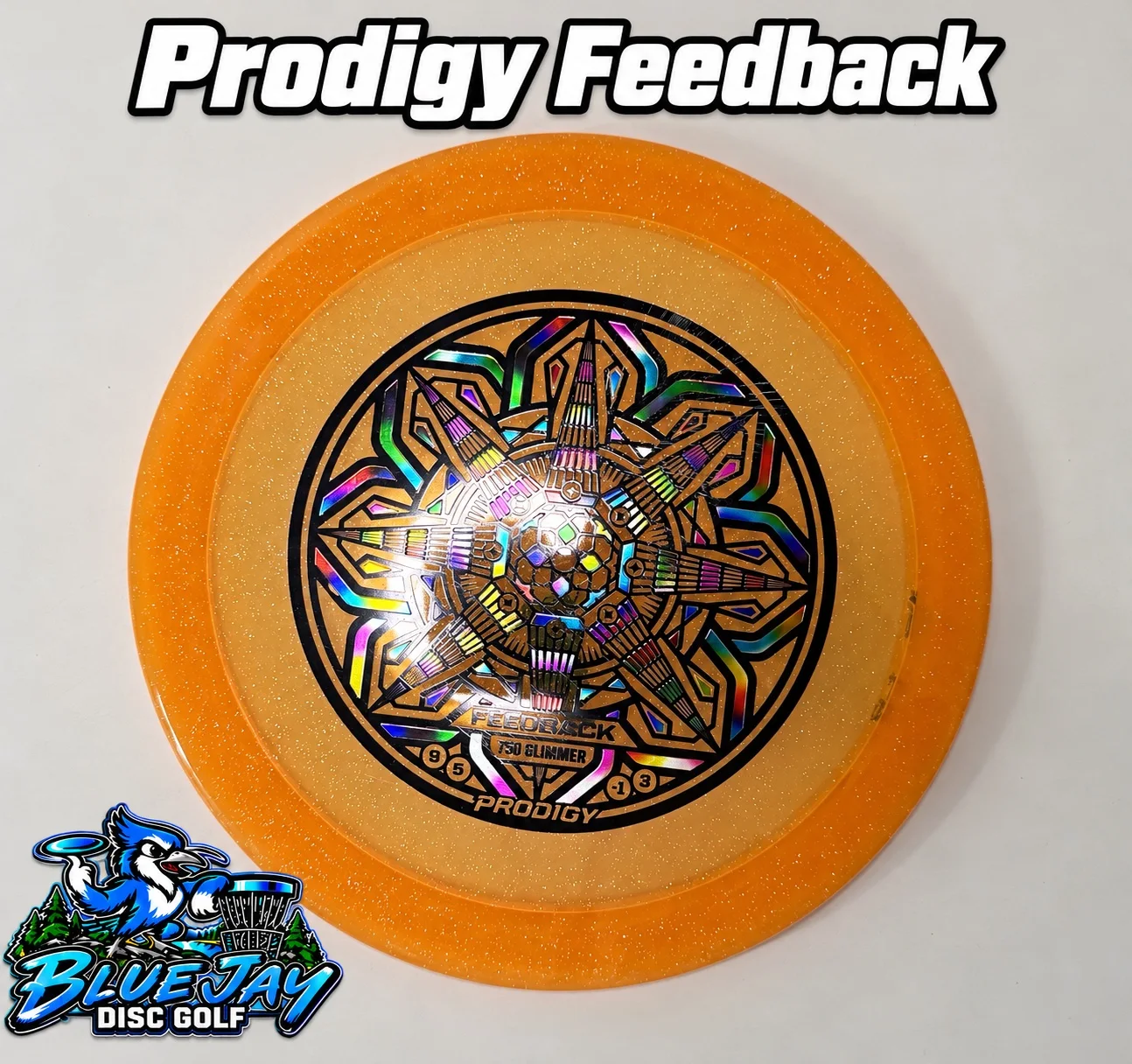
Prodigy Feedback Flight Dynamics: Reading 9 | 5 | -1 | 3
The Feedback combines a small amount of high-speed movement with a strong, dependable finish for line drives, flex shots and wind control.
Why -1 turn and 3 fade can coexist
The Feedback's 9 speed and 5 glide place it in the distance-capable control-driver class. The -1 turn allows a properly powered throw to track slightly before the disc slows.
Fade 3 then creates a much stronger finish. The resulting shape is not a constant hook; it is a stable flight with a late, dependable move.
Prodigy describes the Feedback as a slightly overstable fairway driver that holds a line with little side-to-side movement before fading.
The manufacturer also notes its use for sweeping hyzers, pinpoint line drives and windy conditions. Those descriptions are more useful than treating -1 as a guarantee that every throw will turn.
For a 230-to-280-foot player, the Feedback may behave closer to 9 | 4 | 0 | 3 because the disc spends less time at high speed. Players with more launch speed are more likely to see the rated -1 movement before the fade.
| Throw | Likely result | Best use |
|---|---|---|
| Moderate flat | Straight start, early dependable fade | Safe placement |
| Full flat | Long straight phase, small track, strong finish | Controlled distance |
| Hyzer | Sweeping line that stays committed | Wind and corners |
| Anhyzer | Flex flight with late recovery | Shaping around obstacles |
750 Glimmer changes feel more than the flight-number model
Prodigy's 750 blend is firm and durable. That firmness can help the disc retain its shape and stability over time, while the glimmer finish changes appearance rather than rewriting the mold's four-number rating.
A firm premium copy may stay dependable longer than a softer or more seasoned copy.
Plastic is only one variable. Weight, dome, wear and run variation can all change the exact flight. The photographed copy should be tested on its own instead of assumed to match every Feedback ever made.
Expect more skip than a midrange or putter because speed-nine rim geometry carries more horizontal energy into the landing. When the green is fast, land short or choose a slower disc.
Use a three-angle field session
Throw the Feedback flat, on a small hyzer and on a controlled anhyzer from the same starting point. Mark the widest point of each flight and the final landing zone.
This shows whether the mold is a straight control driver, a dedicated hyzer disc or a flex tool at your current power.
Then compare it with a neutral speed-nine driver. If both travel the same distance but the Feedback finishes more predictably, it owns the wind-and-finish slot.
If it fades before reaching useful distance, keep it for specialty shots instead of forcing it into the primary-driver role.
Compare exact photos, price, condition and flight numbers in the live inventory—or join the Flight List for new drops and field notes.