
BRAND BUYER'S GUIDE · 10 min read
Disc Golf Brands Explained: How to Shop the Lineup Without Getting Lost in the Logo
Innova, Discraft, MVP, Axiom, Prodigy, Trilogy, Gateway and independent makers all organize their discs differently. Learn what actually changes from brand to brand—and what does not.
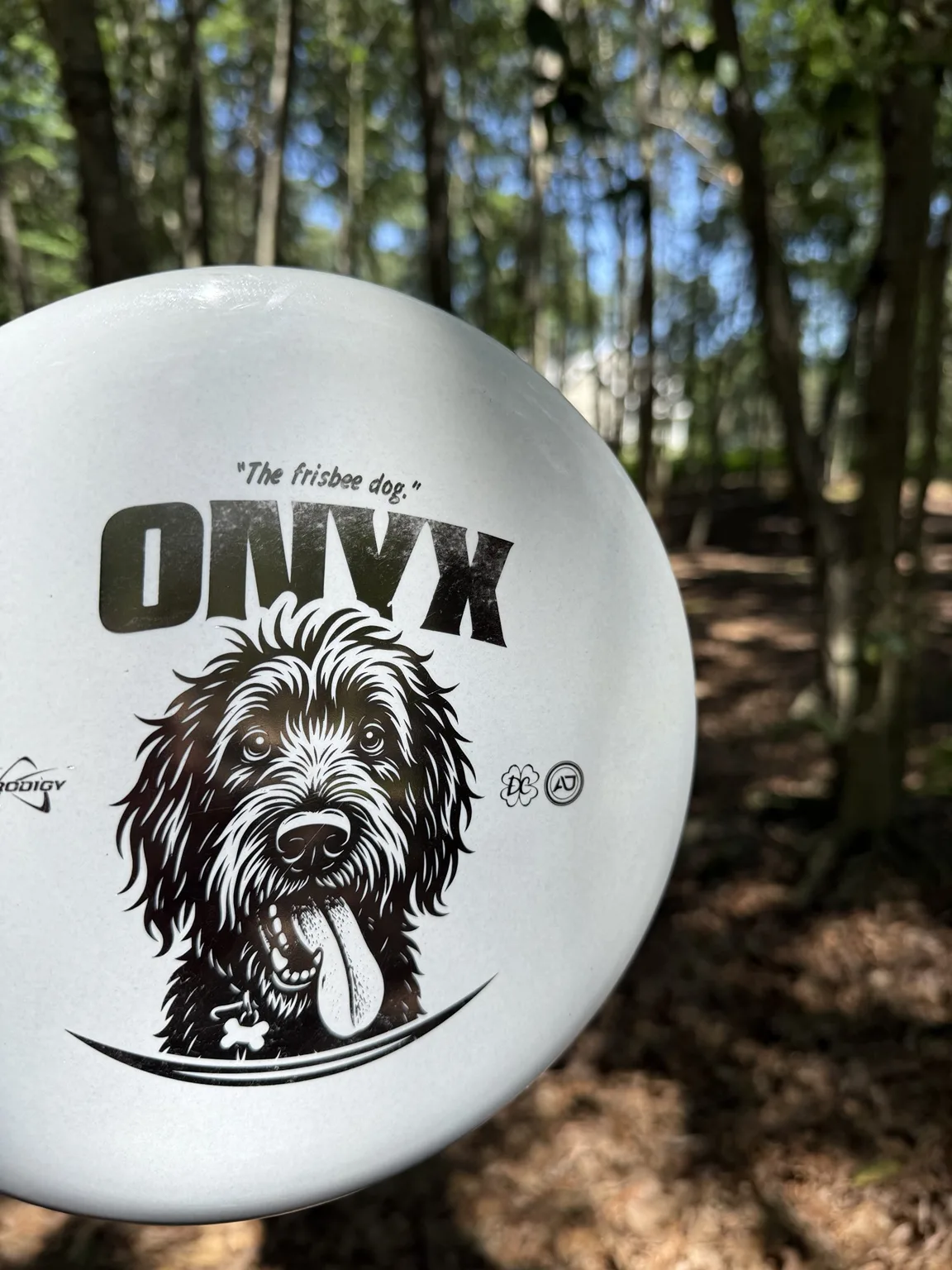
Brands are different languages for the same flight problems
Every manufacturer needs to solve the same basic jobs: putting, approach control, straight midrange shots, workable fairways, wind-resistant finishes and distance.
The differences are how the company names those jobs, how its plastics feel and how deep the lineup becomes around each slot.
That is why changing brands can feel harder than changing discs. One company may name a mold after an animal, another may use a letter-and-number system, and another may build a family around technology or folklore. The flight still has to match your release.
You do not need brand loyalty to build a good bag. You need a repeatable way to compare speed, glide, turn, fade, weight, plastic and condition across brands.
Loyalty is useful when familiar rims and plastics simplify decisions—not when it forces a disc into a role it does not perform.
The deep-catalog brands make replacement easy
Innova and Discraft have broad lineups with molds for nearly every speed and stability. Their biggest advantage is not that every disc is automatically better; it is that a player can usually find several options around the same flight job and replace a lost mold without rebuilding the whole bag.
The challenge is choice. A new player can mistake a large catalog for a requirement to carry more discs. Start with one neutral putter, midrange and fairway. Add a more understable or overstable option only after a real round reveals the missing shape.
A large plastic menu also lets you keep the mold while changing feel or durability. That is useful once you know the flight. Before that point, changing both mold and plastic at once makes it harder to learn what actually improved.
Technology families and systematic names reduce different kinds of guesswork
MVP and Axiom are closely associated with overmold construction, while Streamline offers related plastics and design ideas in single-mold discs.
The family gives shoppers a recognizable technology story, but the same rule applies: rim feel and actual flight matter more than the construction label by itself.
Prodigy takes a more systematic approach to many mold names. Letters often point toward a class or job, and numbers help organize stability or position within the family.
The system can make a large lineup easier to navigate, although special releases and newer mold families still require reading the exact listing.
These brands appeal to different shoppers for a similar reason: they make the catalog feel organized.
Use that organization to narrow choices, then verify the exact weight, plastic and condition instead of assuming every disc carrying the family name will feel alike.
Trilogy and specialist brands reward shoppers who learn the plastic
Latitude 64, Dynamic Discs and Westside Discs are commonly grouped as Trilogy. Their naming styles differ, but the shared manufacturing relationship makes plastic comparisons easier once a player recognizes equivalent families.
This is especially useful when one brand does not have the exact flight or artwork a shopper wants.
Gateway remains closely identified with putting and approach options, including a wide range of firmness and grip. Independent brands such as Lone Star, Mint, Clash, Thought Space Athletics, H13 and Meridian often compete through distinctive artwork, regional identity, focused mold development or plastic feel.
Smaller does not automatically mean less consistent, and larger does not automatically mean better for beginners. The practical question is whether the brand offers a disc you can replace, understand and trust in the conditions you play most.
Shop in this order: job, speed, stability, feel, then brand
Begin with the shot you cannot currently throw at comfortable effort. Decide how far it needs to travel and which direction it must move. That gives you a speed range and stability target before logos enter the decision.
Next, compare rim width, plastic feel, weight and condition. A disc that technically has the right numbers can still be a poor choice if the rim is uncomfortable or the plastic slips in your weather.
Exact photos matter because color, wear and individual condition are part of the purchase.
Finally, use the brand to create a short list. That order protects the shopper from paying for familiarity while ignoring fit. The result can be a single-brand bag, a mixed bag or something between them—the scorecard does not care.
BRANDS IN THE BLUEJAYDG GALLERY
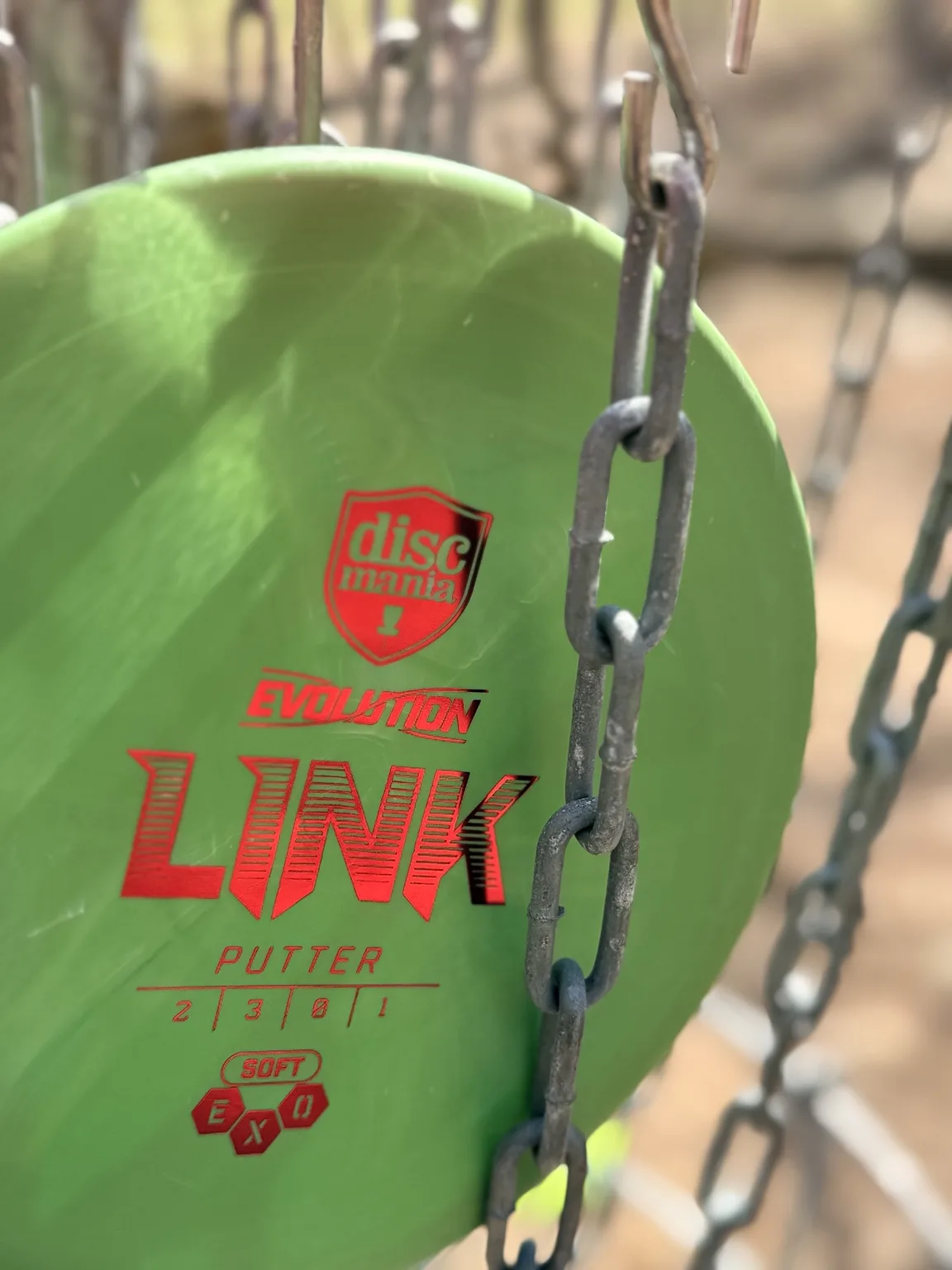

Compare exact photos, price, condition and flight numbers in the live inventory—or join the Flight List for new drops and field notes.