
BAG BUILDING FOR AMATEURS · 4 min read
Build a Complete Disc Golf Bag for a 250-Foot Thrower
A useful amateur bag is built around repeatable distance, clear shot jobs and controllable speed—not the biggest driver number available.
Start with six jobs, not six brands
A player who throws about 250 feet does not need a bag full of high-speed drivers. The foundation is a comfortable putting putter, a throwing putter or neutral approach disc, a dependable approach disc, a neutral midrange, an understable fairway and a stable fairway.
Those six jobs cover straight approaches, controlled placement, turnovers, hyzer-flips and dependable finishes. The exact molds can come from any brand. Choose the copies that feel comfortable and produce the intended flight at normal golf effort.
Use your average controlled distance, not a rare maximum. A disc that reaches 240 feet in the fairway five times is more valuable than one that reaches 280 once and fades into trouble on the other four throws.
| Slot | Suggested profile | Primary job |
|---|---|---|
| Putting putter | Comfortable grip and neutral finish | Inside-circle confidence |
| Throwing putter | Neutral to slightly stable | Straight tee shots and soft landings |
| Approach | Stable or overstable | Wind, forehand utility and predictable finish |
| Midrange | Speed 4–6 and neutral | Placement from roughly 150–230 feet |
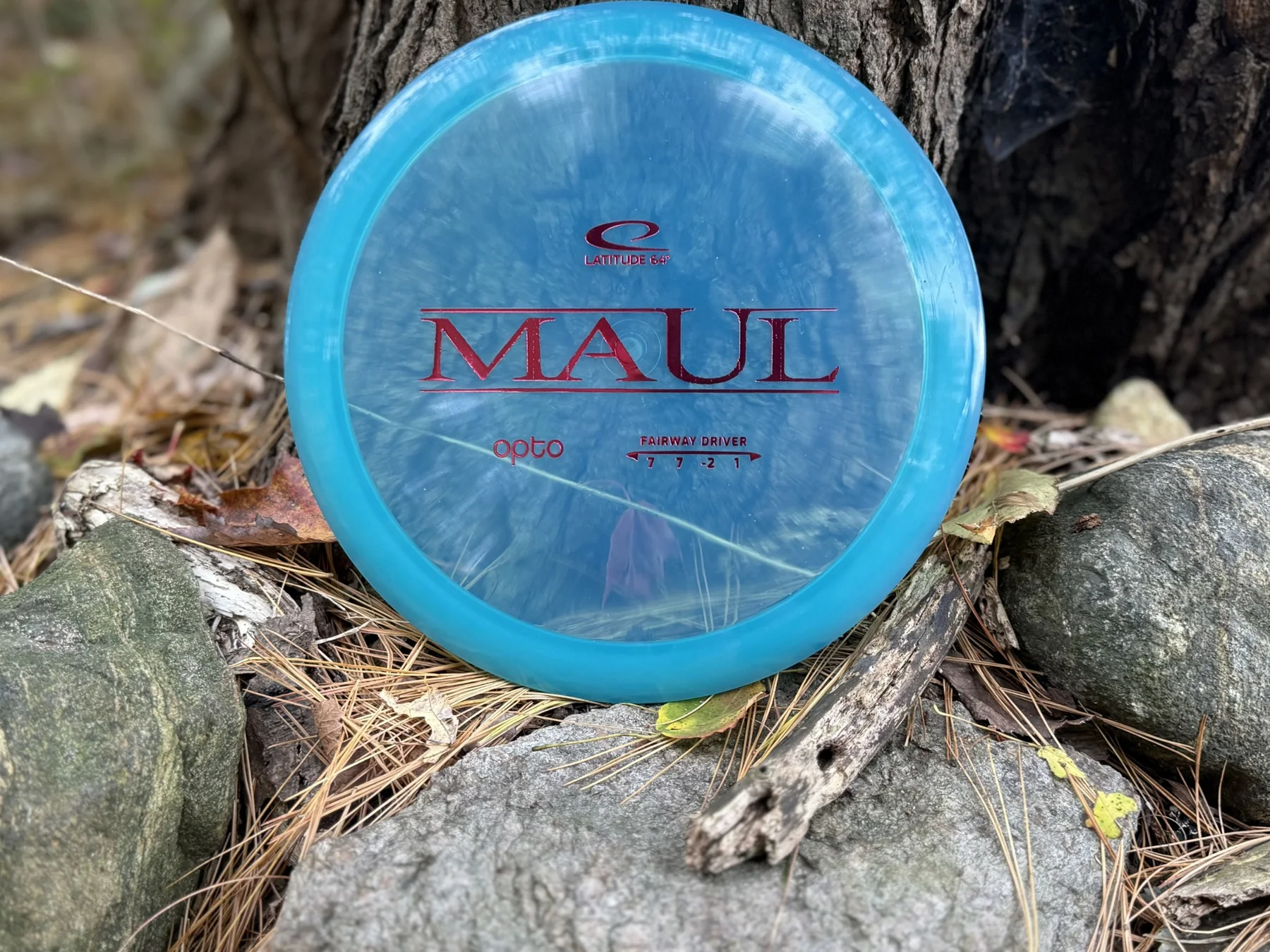
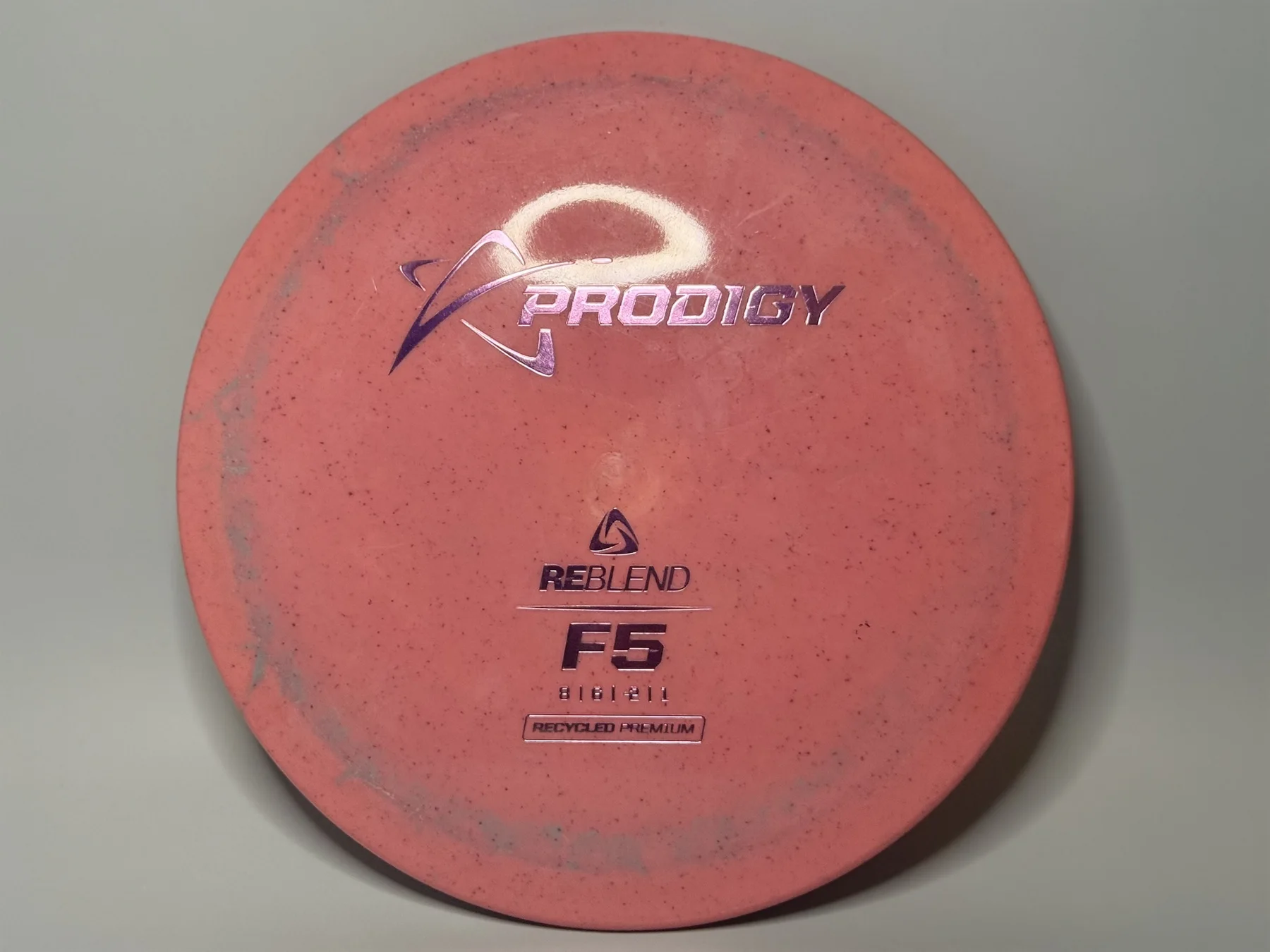
| Understable fairway | Speed 6–9 with visible turn | Hyzer-flips and right-moving backhands |
| Stable fairway | Speed 7–9 with dependable fade | Controlled distance and safer finishes |
Add specialty discs only after the course asks twice
Play several rounds with the core bag and record the shots you cannot create safely. If the same gap appears twice—such as a strong headwind drive, a steep downhill landing or a forced roller—then consider adding a specialty disc.
A lightweight or seasoned fairway may supply easier distance without moving into a wider rim. A very overstable utility disc can help in wind or for skip shots, but it should not replace the neutral discs that teach clean release.
A distance driver becomes useful when it clearly travels farther than the fairways without destroying accuracy.
Bag building is subtraction as much as addition. If two discs fly the same path and land in the same area, keep the one that feels better and creates the smaller miss.
FAIRWAY SPEED · USEFUL DISTANCE
Test the bag with a repeatable field session
Throw each driving disc five times on the same flat line. Mark the average landing area, the widest miss and the final direction. Then repeat with a gentle hyzer. You are looking for separation between jobs, not a single longest throw.
Finish by playing a one-disc or three-disc round. Limited choices reveal which discs you actually trust and which ones only take up space. The final bag may contain eight discs or twenty, but every disc should answer a question the course regularly asks.
Compare exact photos, price, condition and flight numbers in the live inventory—or join the Flight List for new drops and field notes.