
DISC SELECTION · 9 min read
Choosing Discs for a Backhand Versus a Forehand
Forehand and backhand throws load the disc differently, but the answer is not simply to buy the most overstable disc available.

The same disc can reveal different weaknesses
A backhand generally produces more spin for many developing players, while an early forehand may produce more speed than clean rotation.
That imbalance can make a neutral disc wobble or turn quickly. The common reaction is to move to a very overstable disc because it hides the wobble and finishes predictably.
That disc can be useful, but it may also limit distance and reinforce a forced release. A stable approach disc or fairway driver is often enough for dependable forehands while still providing a workable flight.
Comfort comes before the flight chart
Forehand grips often feel better with shallow rims and flatter profiles. Backhand grips may tolerate more dome, especially when glide is useful.
Those are tendencies—not rules. Hand size, finger placement and injury history matter more than what another player prefers.
Test the disc at low power. Throw short standstill shots without trying to create maximum distance. A disc that leaves cleanly and holds its angle is a better starting point than one that only works when thrown hard.
START WITH CLEAN RELEASES
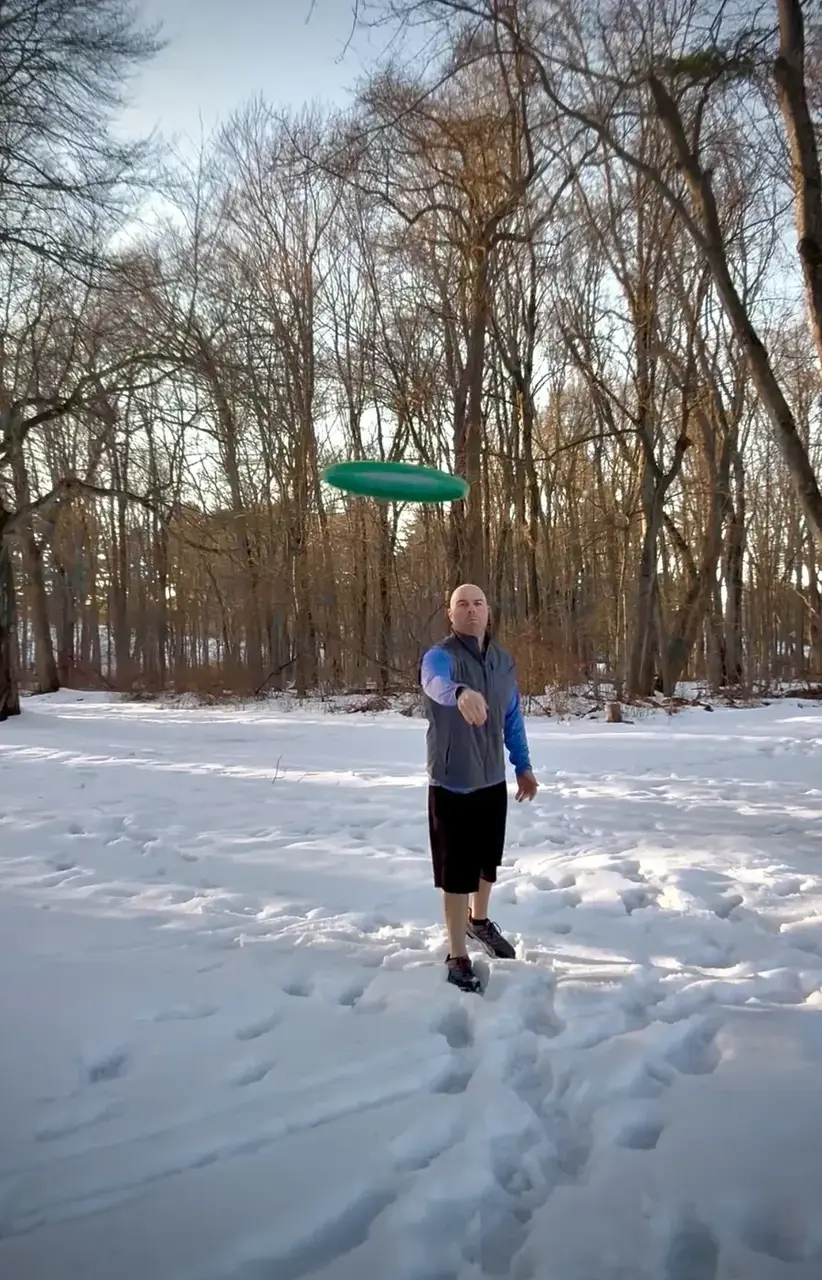

Build both sides around useful shapes
A player does not need a separate forehand and backhand version of every slot. One stable approach disc may cover both.
A neutral midrange can provide straight touch shots from either side. Add a dedicated forehand driver only when the shot requires a different rim or stability.
Evaluate the landing angle and miss. The best forehand disc is not the one that survives the hardest throw. It is the one that reaches the target with the smallest predictable error.
Compare exact photos, price, condition and flight numbers in the live inventory—or join the Flight List for new drops and field notes.